
ShreeNiketan Child Care Foundation
Children deserve learning, care, and dignity!Help sugarcane worker children continue education!Small support can protect a child’s future!
For children growing up in families dependent on sugarcane labour, life rarely follows a steady path. Each year brings movement from one place to another, shaped entirely by the need to earn a living. In this constant shift, childhood itself begins to change. What should be a time of learning and growth slowly becomes a period filled with uncertainty.
When a child grows up surrounded only by survival, dreaming of something more begins to feel like a distant thought rather than a real possibility.
ShreeNiketan Child Care Foundation
Why Early Support Shapes Futures
The early years of a child’s life hold immense importance. It is during this time that habits are formed, confidence is built and understanding begins to take shape. When these years pass without guidance, the impact continues for a lifetime. Children in migrating environments often miss out on this crucial phase of structured growth. Their learning remains incomplete, their social development gets limited and their emotional needs remain unaddressed. These gaps are rarely visible immediately, yet they become evident as time goes on. Providing support during these early stages helps create a strong base. It allows children to experience routine, learn basic skills and understand the value of education. This early foundation becomes a turning point in how they approach life ahead. When children feel supported, they begin to engage more actively. They show curiosity, ask questions, and develop a sense of belonging. This engagement is essential for their overall development and long term growth. Even small interventions at the right time can bring meaningful change. A few consistent hours of learning, a space where they feel safe and someone who listens can gradually reshape their path.
Creating Spaces That Feel Secure
A secure environment plays a vital role in helping children grow with confidence. For those who live in constant movement, creating such spaces becomes even more important. It gives them a sense of belonging that they rarely experience elsewhere. These spaces are built with care, keeping the child’s reality in mind. They focus on comfort, understanding and gradual learning rather than pressure. Children are encouraged to explore at their own pace, making the process more natural and effective. When a child feels secure, they begin to trust the environment around them. This trust allows them to express freely, participate actively and remain connected. It removes fear and replaces it with confidence. Routine becomes a part of their life again. Even if their surroundings change, having a fixed time and space for learning gives them something stable to rely on. This consistency builds discipline without forcing it. Over time, these spaces begin to shape their outlook. They start seeing learning as something valuable rather than distant. This shift in perception becomes a strong foundation for their future.
Childhood Stability Through Routine
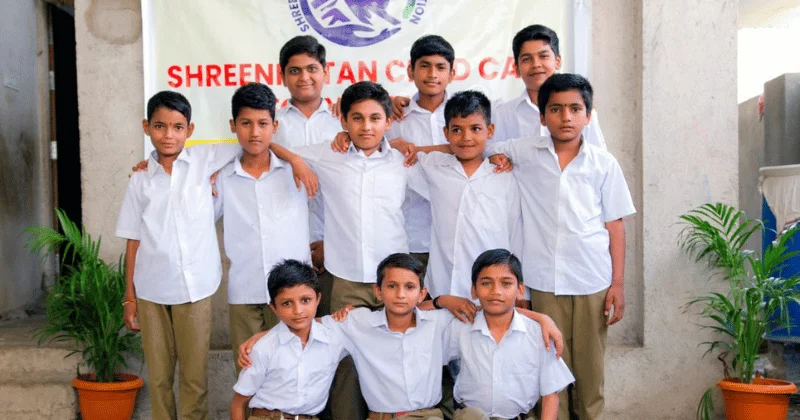
Efforts are made to introduce a simple yet consistent routine in children’s daily lives so they can experience structure despite changing environments. This routine helps them feel grounded, reduces confusion, and allows them to gradually adapt to a more stable way of living.
Early Learning And Development Support
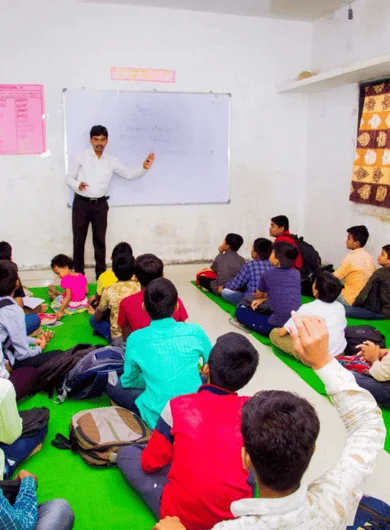
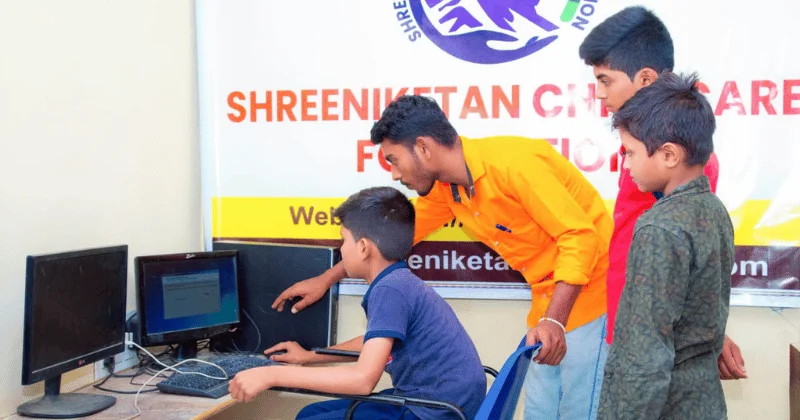
Basic learning is introduced with patience, focusing on reading, writing and understanding through simple methods that match their pace. This approach helps children develop essential skills while ensuring they do not feel overwhelmed or left behind.
Safe And Supportive Learning Environment
A space is created where children feel comfortable, understood, and encouraged to express themselves without hesitation. This emotional support strengthens their confidence and helps them remain engaged in the learning process over time.
Categories
Recent Post
Growing Up Without A Fixed Childhood
April 20, 2026
When Support Shapes A Child’s Path
April 16, 2026
The early years of learning are meant to build a strong base, yet for many of these children, that base remains incomplete. Each break in schooling creates gaps that slowly widen. Reading becomes difficult, writing loses clarity, and understanding weakens. This does not happen because of lack of ability, but because consistency is missing.
When a child is forced to pause learning again and again, the loss is deeper than missed lessons, it slowly takes away their belief in what they can become.
ShreeNiketan Child Care Foundation
Why Continuity In Education Matters
The European languages are members of the same family. Their separate existence is a myth. For science, music, sport, etc, Europe uses the same vocabulary. The languages only differ in their grammar, their pronunciation and their most common words. Everyone realizes why a new common language would be desirable: one could refuse to pay expensive translators.
1. Why Continuity In Education Matters
Education grows through repetition, guidance, and time. When this flow is broken repeatedly, children struggle to rebuild their connection with learning. For those living in migrating families, this challenge becomes a constant part of life. Without steady access, children begin to feel left behind. They hesitate to ask questions, they avoid participation, and slowly they step away from learning spaces. This distance grows quietly, yet its impact stays for years. Bringing continuity into their lives requires careful effort. It means creating learning opportunities that remain steady even when their environment keeps changing. When children experience consistency, even in small ways, they begin to rebuild confidence. As learning stabilises, children respond with curiosity once again. They engage, they explore, and they slowly regain what was slipping away. This process may appear gradual, yet it carries deep significance in shaping their future.
2.Learning Spaces That Bring Stability
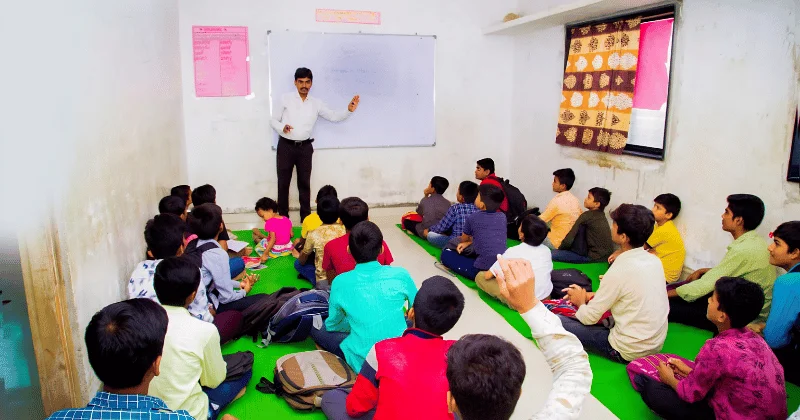
Creating a space where children can return regularly becomes an important step in restoring their connection with education. Such spaces provide more than lessons. They offer familiarity, guidance, and reassurance. When children enter a place where they are understood, they begin to open up. They are no longer afraid of being behind. Instead, they are encouraged to move forward at their own pace. This approach allows learning to grow naturally rather than through pressure. These spaces also help build routine. Even within uncertain living conditions, a fixed learning time gives children something stable to rely on. It becomes a part of their day that remains constant. Over time, this stability transforms their approach towards education. What once felt distant starts becoming achievable. Children begin to see themselves as learners again, capable of understanding and progressing.
Learning Continuity Support
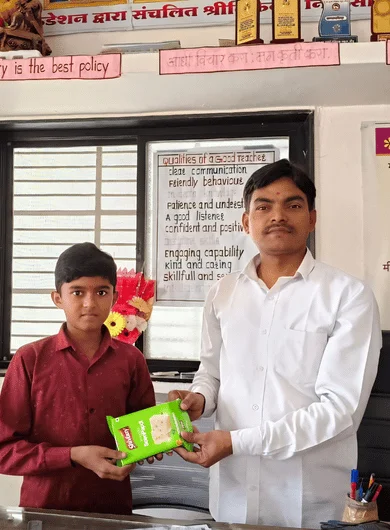
Children receive guidance that helps them reconnect with basic concepts step by step while slowly rebuilding their confidence without pressure. Each child is supported according to their current level, allowing them to regain clarity in reading and writing through steady practice and patient learning.
Foundational Education Strengthening
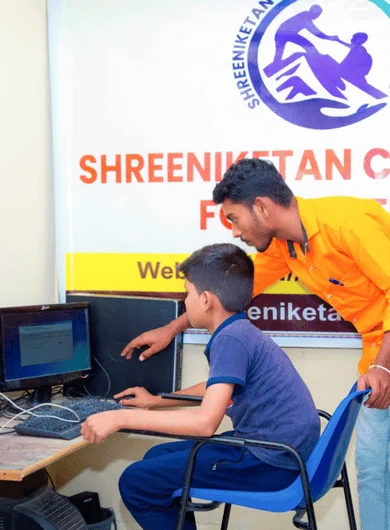
Efforts focus on strengthening basic skills that form the base of learning, where simple concepts are explained consistently so that children develop familiarity and reduce hesitation. With time, their participation improves and learning becomes more structured and stable.
3. Building A Path Towards Confidence
When children begin to experience steady learning, their mindset starts to shift. They no longer see education as something distant. Instead, it becomes a part of their daily life. Confidence grows through small achievements. Completing a lesson, understanding a concept, or simply participating in an activity brings a sense of progress. These moments, though simple, hold deep meaning for children who have faced constant disruption. The change is not immediate, yet it is lasting. With continued support, children begin to move forward with clarity. They start believing in their ability to learn and grow. This journey reflects the importance of patience and consistency. When efforts are made with care and understanding, the impact reaches far beyond academics. It shapes how children see themselves and their future.
NGO Quiz
Please complete all questions. Mark the best answer from the choices given.
4. Use email to your advantage
Their separate existence is a myth. For science, music, sport, etc, Europe uses the same vocabulary. The languages only differ in their grammar, their pronunciation and their most common words. Everyone realizes why a new common language would be desirable: one could refuse to pay expensive translators.
To achieve this, it would be necessary to have uniform grammar, pronunciation and more common words. If several languages coalesce.
5. Make it easy to donate
Their separate existence is a myth. For science, music, sport, etc, Europe uses the same vocabulary. Everyone realizes why a new common language would be desirable: one could refuse to pay expensive translators. To achieve this, it would be necessary to have uniform grammar, pronunciation and more common words. If several languages coalesce, the grammar of the resulting language is more simple. If several languages coalesce, the grammar of the resulting language is more simple. To an English person, it will seem like simplified English, as a skeptical Cambridge friend of mine told me what Occidental is.